Am 19. April 1944 meldeten sich zwei Offiziersanwärter zum Dienst auf Sperrbrecher 104. Einer von ihnen war der spätere Direktor des Instituts für Zeitgeschichte Jürgen Rohwer.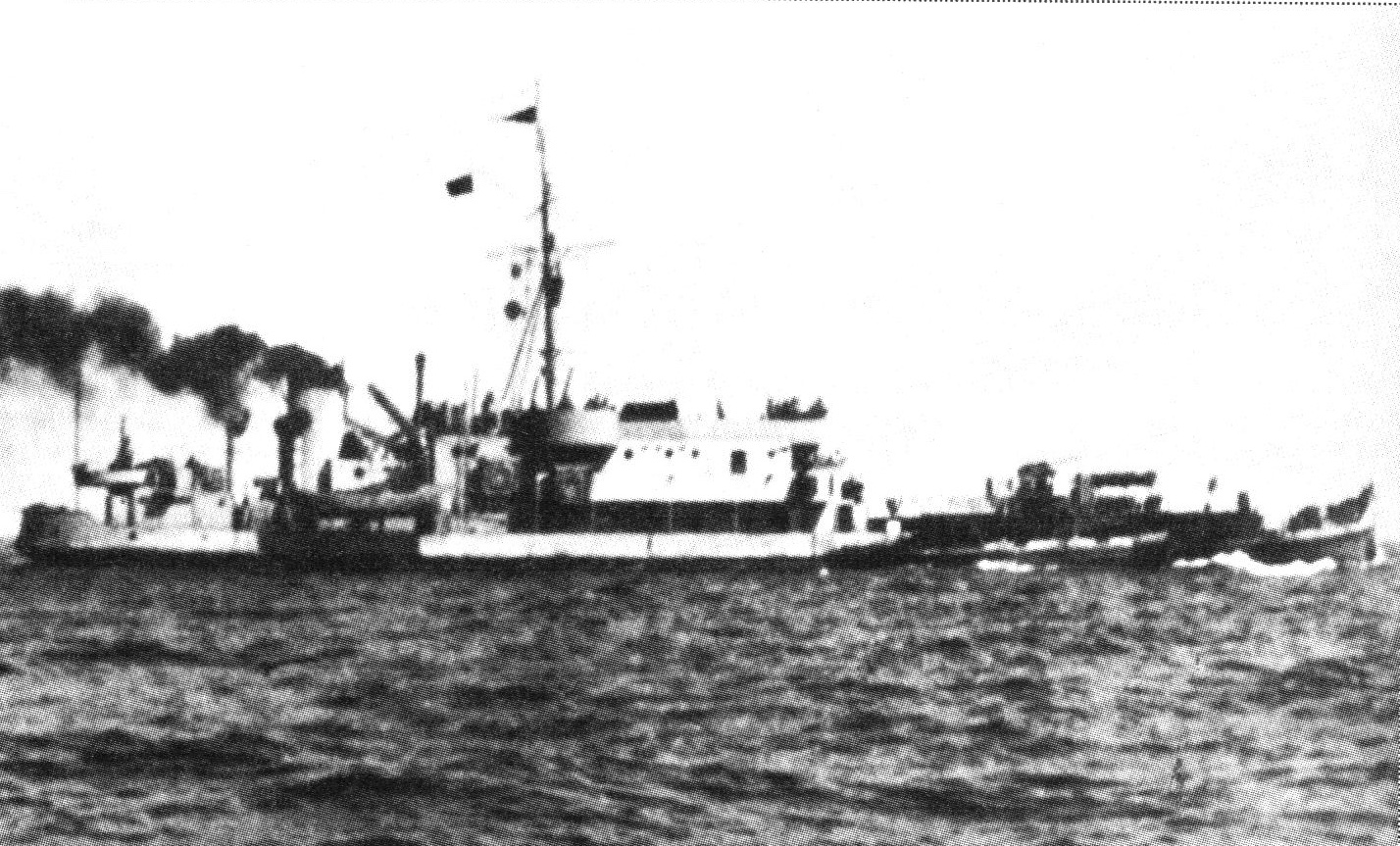
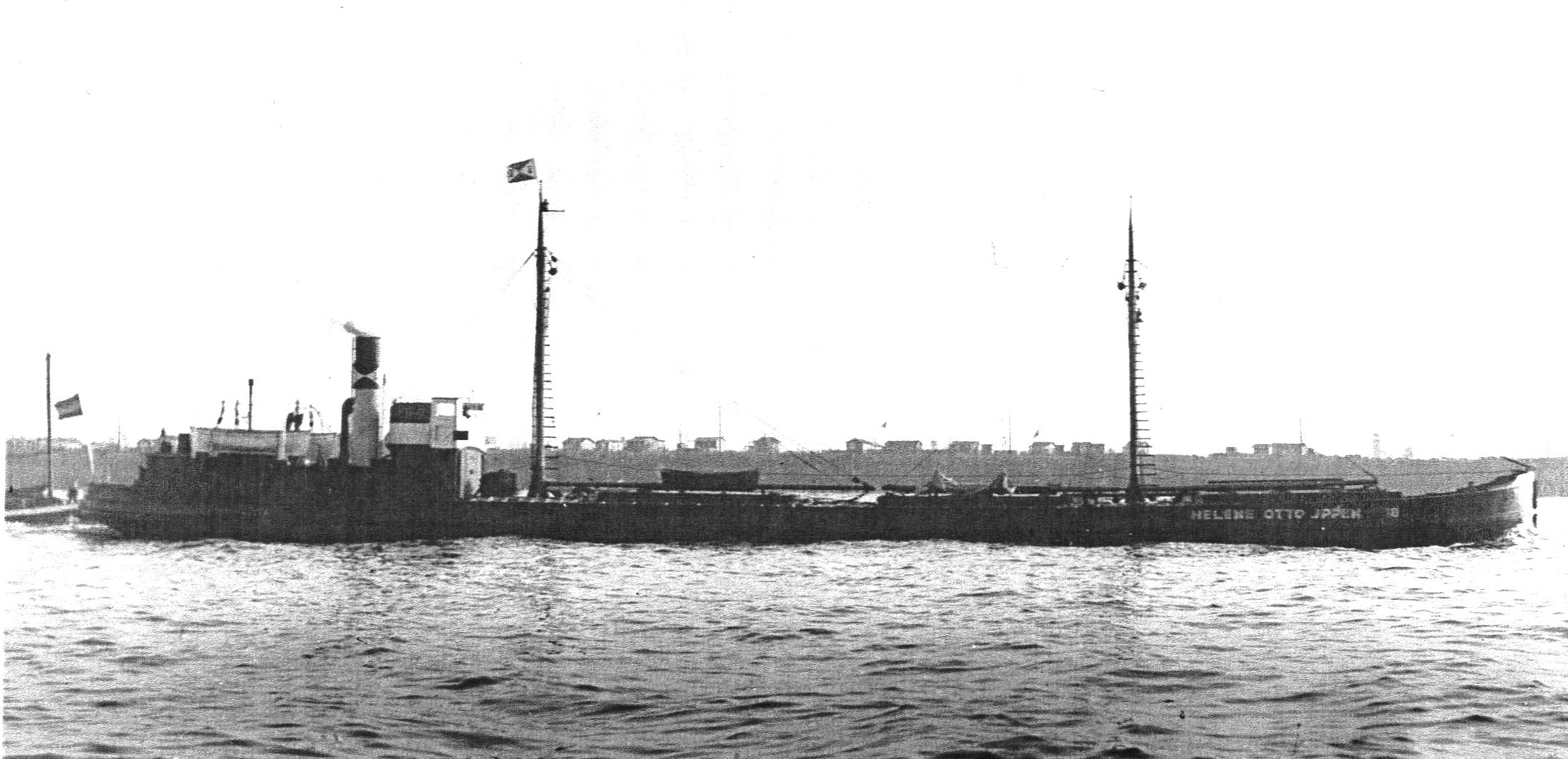
Sperrbrecher 104 hatte damals schon 43 Jahre auf dem Buckel:
In Dienst gestellt worden war sie als Seeleichter W.T.A.G. 32 für die westfälische Transport A. G. in Duisburg im Jahr 1900
1920 war sie zum Frachtdampfer umgebaut worden
514 BRT, 880 tdw; 59,27 m – 8,06 – 2,74 m; 8 kn, 2 Dreifach-Exp. Maschinen, 2 Schrauben
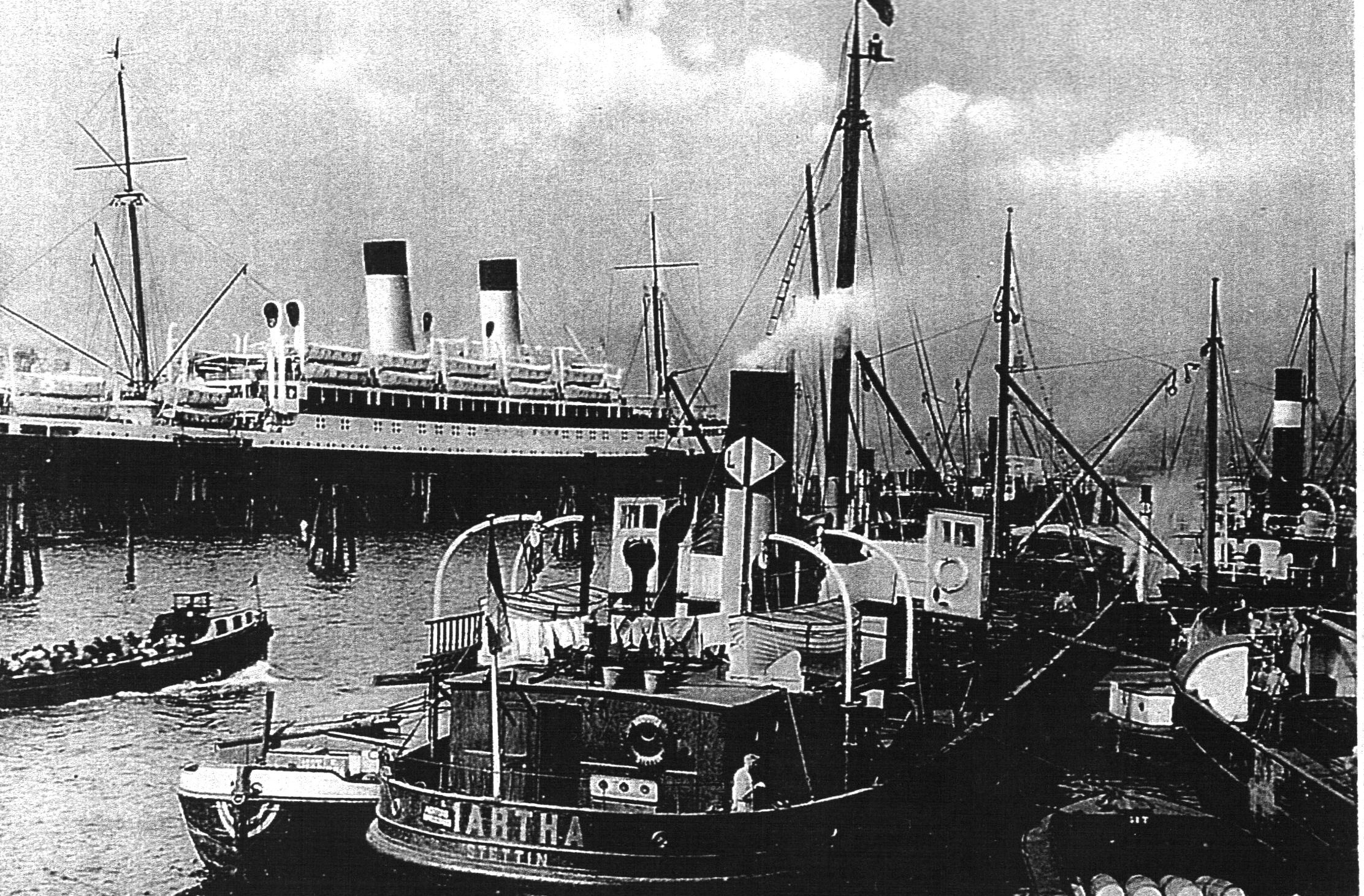
1924 erwarb sie Herman Otto Ippen (Stettin) und brachte sie als Helene Otto Ippen 10 in Fahrt
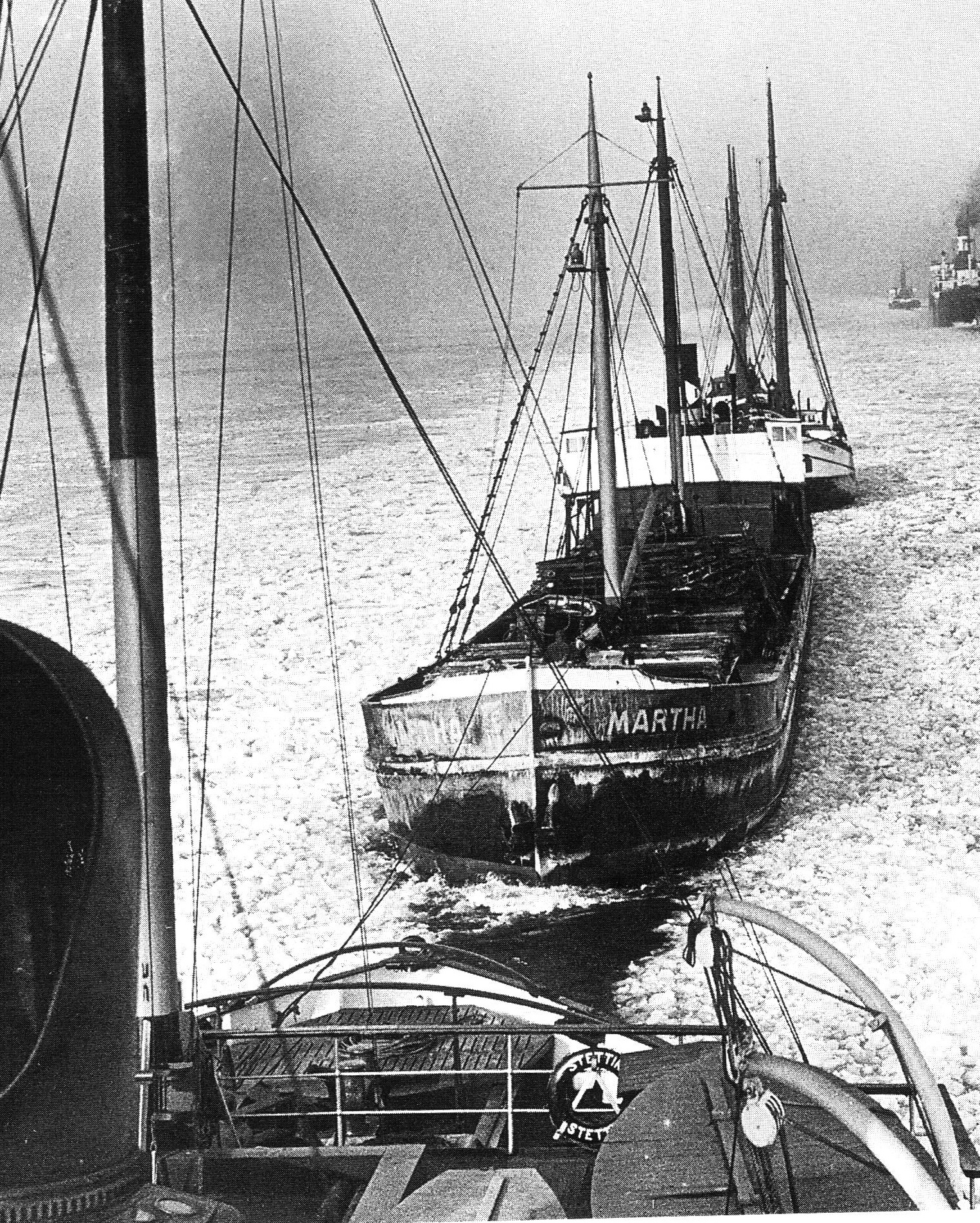
1929 wurde sie im Rahmen des Aufkaufs von Ippen durch Johannes Ick, Danzig und Hamburg in Martha umbenannt
4. April 1942 von der KM erfasst, Versuchsschiff beim Netzsperrkommando
1943 Versuchsschiff für die erste von zwei bei Ansaldo von der KM erworbenen italienischen CAM (Kreuzpolgerät/Kreuzstabgerät) zum Einsatz gegen Magnetminen
Einsatz ist so erfolgreich, dass Martha am 14. August 1943 als Sperrbrecher 104 in Dienst gestellt wurde und am 1. September 1943 zur zweiten Sicherungsflotille in Winemünde kam.
Vom April bis Dezember 1944 tat Rohwer dort Dienst, dann wurde er als Fähnrich auf M 502 versetzt.
Sperrbrecher 104 war am Unternehmen Rettung beteiligt, kam zur GMSA und wurde am 19. November 1945 an die Sowjetunion übergeben
25. Februar 1946 umbenannt in Vologda, 1956 abgewrackt.
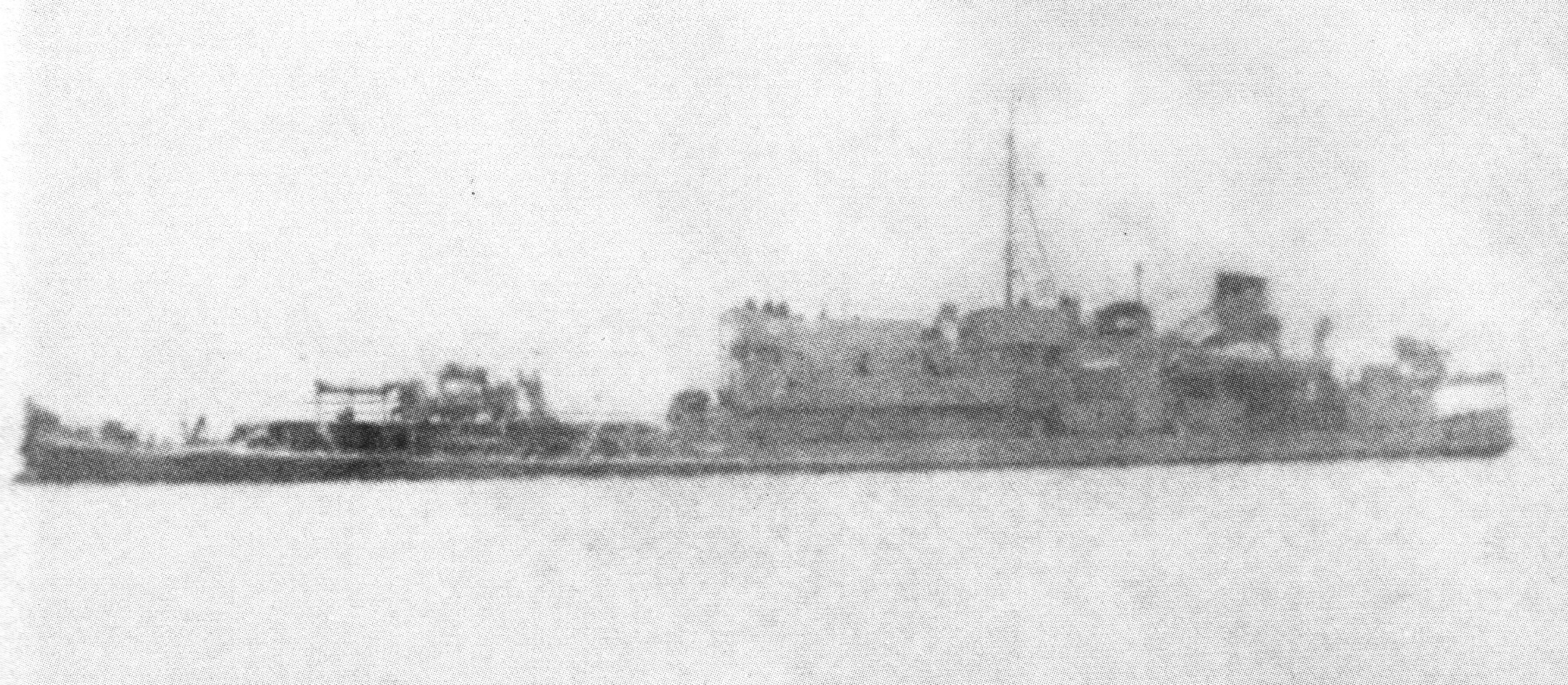
Eine Skizze und gute Photos von Sperrbrecher 104 gibt es wohl nicht, aber solche von Helene Otto Ippen 10 und Martha und eine ausführliche Umbaubeschreibung von Rohwer.
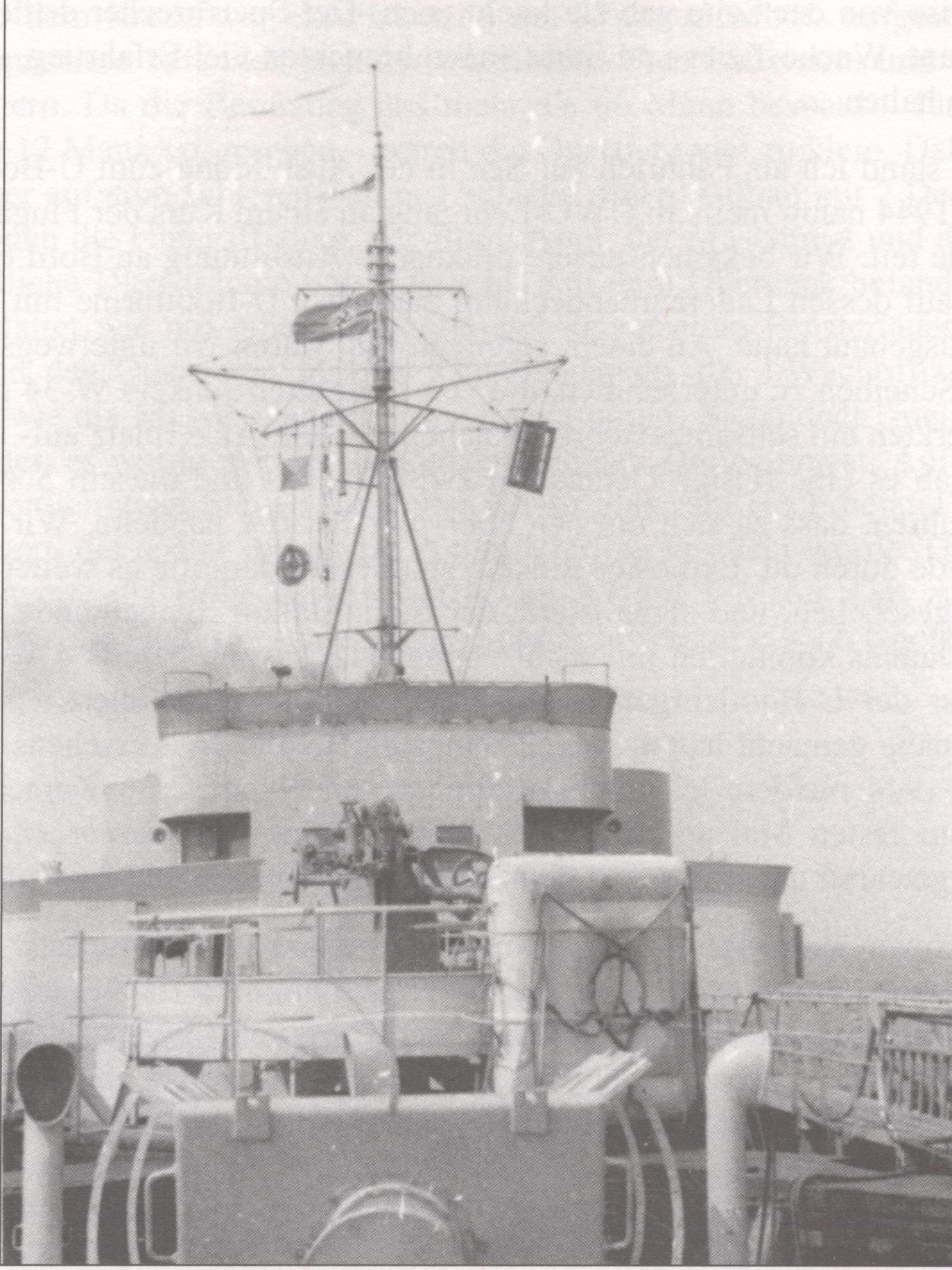
“The Martha was rebuilt at Aarhaus, Denmark, as a test Sperrbrecher for the CAM equipment. She had a length of almost 60 meters, a beam of a bit more than 8 meters, and a draught of 2.5 meters. Forward was a big cargo hold, used to house the diesel generator on a shock-proof foundation. On the deck above the hold, the lamellar iron antimagnetic CAM cross with its cable coiling stood on a wooden base. Because its beam was broader than the ship’s, four outriggers had to be fitted for the ends of the crosses. On top of the cross stood a Flak-stand mounting a 37- mm antiaircraft gun. The old crew quarters were between the diesel room and the engine spaces aft. As the crew consisted of more than 60 men—rather than the freighter’s 12—the quarters were much too small. Thus, shipbuilders erected a two-story superstructure on the after half of the ship. The lower deck housed the chief petty officers, the coxswain, and the engineers, along with the administrative compartment. On the upper level were the navigation bridge—which resembled a destroyer bridge with armored shutters for the windows—the charthouse, the wireless room, and quarters for the captain and some other officers and midshipmen. A spacious signal deck, used mostly as a sun deck and crowned by a light tripod mast topped off the upper level. On the sun deck were two stands for one 20-mm antiaircraft gun each; at the after end was a third such stand, equipped later with a 20-mm quadruple gun. All this additional equipment led the ship’s freeboard to drop from about 3.3 meters to about 1 meter. The additional draught reduced top speed to about 6 knots.”
https://www.usni.org/magazines/naval-his...perrbrecher-104
Strandgut 60, 25; Detlefsen, Deutsche Reedereien 7, 92; Arndt, Deutsche Sperrbrecher 239 ff; Gröner III 280 f.; Schmidtke Rettungsaktion Ostsee 1944/1945, 216.

Antworten: 1 • Hits: 287
Rohwer und Sperrbrecher 104
 #1 von
Lotse
, 03.10.2026 07:54
- Lotse
- Steuermann
-
Beiträge: 312 Punkte: 3.212 Registriert am: 08.08.2025

RE: Rohwer und Sperrbrecher 104
#2 von
Lotse
, 18.10.2026 09:28
Der Bericht über Rohwers Zeit auf Sperrbrecher 104/ Martha in deutscher Sprache hierdrin, dort auch das Foto von der Brücke des Sperrbrechers, der kreuzartige Aufbau der CAM Anlage auf den beiden ersten damit ausgestatteten Sperrbrechern (104 und 192) bei P. Arndt, Deutsche Sperrbrecher 1979, 240, 349 eine Skizze von Kepler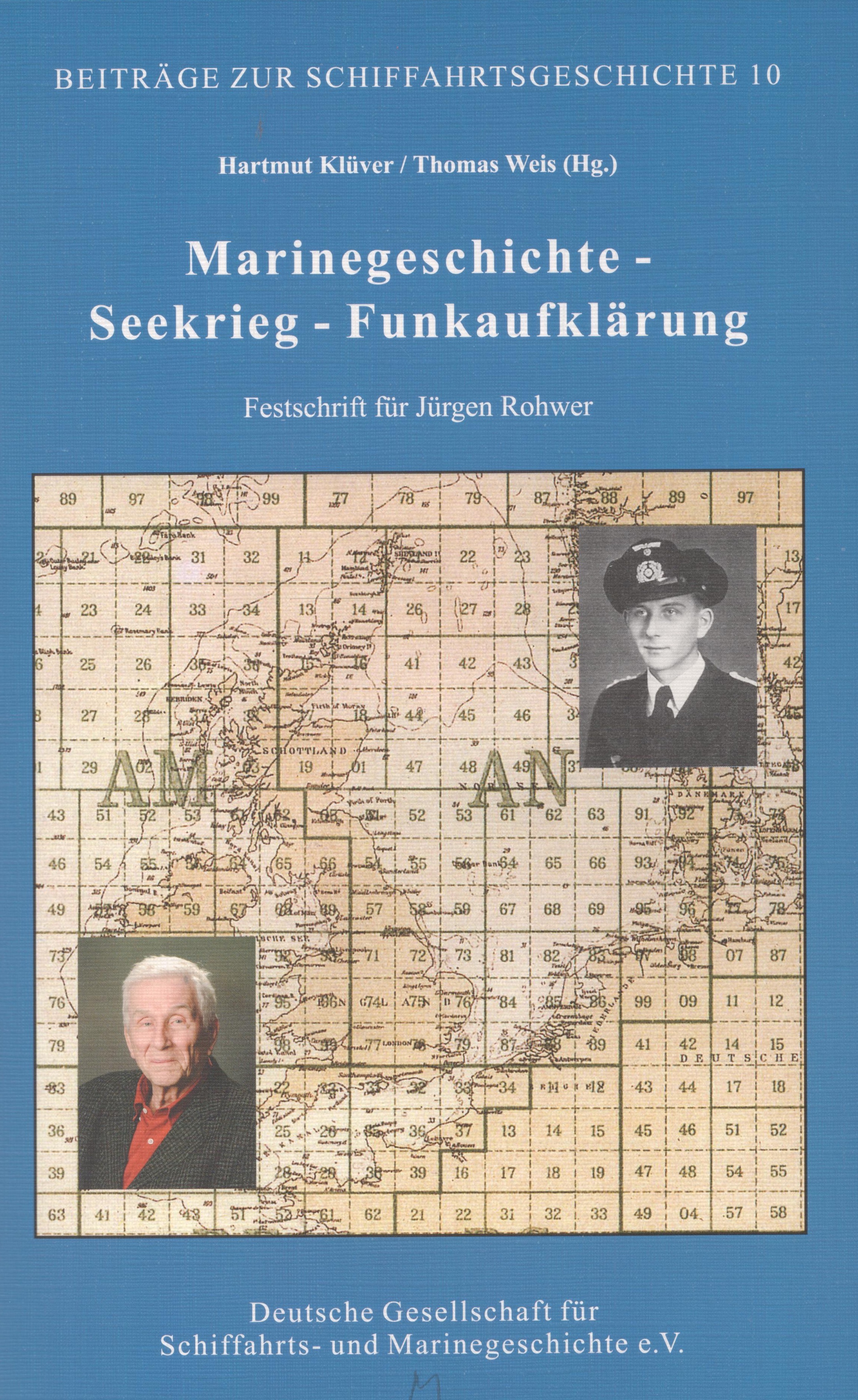
- Lotse
- Steuermann
-
Beiträge: 312 Punkte: 3.212 Registriert am: 08.08.2025
zuletzt bearbeitet 18.10.2026 | Top
Antworten: 1 • Hits: 287


